
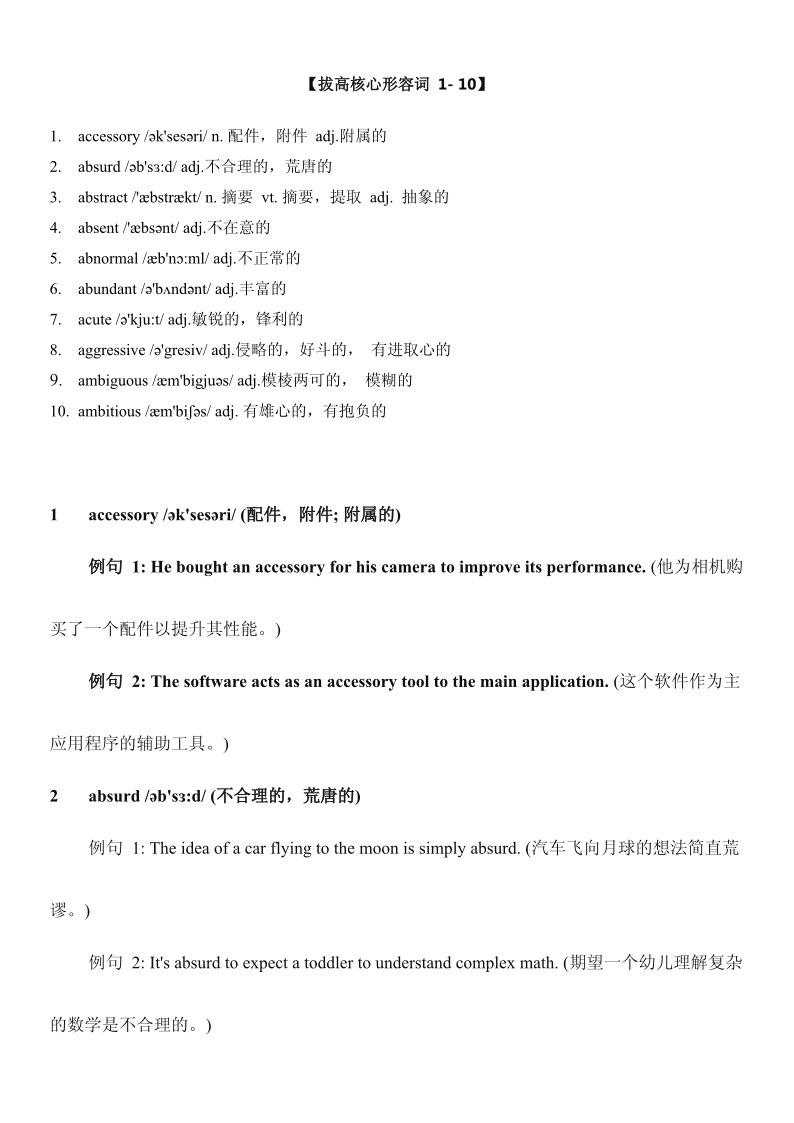
【拔高核心形容词 1- 10】
accessory /ək'sesəri/ n. 配件,附件 adj.附属的
absurd /əb'sɜ:d/ adj.不合理的,荒唐的
abstract /'æbstrækt/ n. 摘要 vt. 摘要,提取 adj. 抽象的
absent /'æbsənt/ adj.不在意的
abnormal /æb'nɔ:ml/ adj.不正常的
abundant /ə'bʌndənt/ adj.丰富的
acute /ə'kju:t/ adj.敏锐的,锋利的
aggressive /ə'gresiv/ adj.侵略的,好斗的, 有进取心的
ambiguous /æm'bigjuəs/ adj.模棱两可的, 模糊的
a
mbitious /æm'biʃəs/ adj. 有雄心的,有抱负的
1
a
ccessory /ək'sesəri/ (配件,附件; 附属的)
例句 1: He bought an accessory for his camera to improve its performance.
(他为相机购买了一个配件以提升其性能。)
例句 2: The software acts as an accessory tool to the main application.
(这个软件作为主应用程序的辅助工具。)
2
a
bsurd /əb'sɜ:d/ (不合理的,荒唐的)
例句 1: The idea of a car flying to the moon is simply absurd. (汽车飞向月球的想法简直荒谬。)
例句 2: It's absurd to expect a toddler to understand complex math. (期望一个幼儿理解复杂的数学是不合理的。)
3
a
bstract /'æbstrækt/ (摘要; 抽象的)
例句 1: She read the abstract of the research paper to get a quick overview.
(她阅读了研究论文的摘要以快速了解大意。)
例句 2: Abstract art often leaves the meaning open to interpretation.
(抽象艺术经常使意义开放给解释。)
4
a
bsent /'æbsənt/ (
缺席
的
;心不在焉的
)
例句 1: He was absent from school due to illness.
(他因病未能到校。)
例句 2: Her mind was absent during the meeting, thinking about her vacation.
(开会时她心不在焉,想着她的假期。)
5
a
bnormal /æb'nɔ:ml/ (不正常的)
例句 1: The doctor noted abnormal results in the patient's blood test.
(医生注意到病人血液检测的结果不正常。)
例句 2: Abnormal weather patterns have been observed this year.
(今年观察到了不正常的天气模式。)
6
a
bundant /ə'bʌndənt/ (丰富的)
例句 1: The region is known for its abundant natural resources.
(这个地区以其丰富的自然资源而闻名。)
例句 2: Wildlife was abundant in the lush forest.
(在茂密的森林中,野生动物非常丰富。)
7
a
cute /ə'kju:t/ (敏锐的,尖锐的)
例句 1: She has an acute sense of smell.
(她有敏锐
小短文语境版高考拔高核心词汇整理形容词篇【1-20】清单-2024届高三英语一轮复习.docx